Steve is no longer there. Apple is a different company. But it’s not dead. The iPhone 5S and the iOS operating system that runs it are remarkable products — far better than their competitors, like Samsung, Nokia, Motorola and HTC. Steve’s concept of an open operating system on which developers can add value still stands.
Developers (I’m one) have made $13 billion from Apple’s iPhones and iPads. Half of that they received in the past 12 months. It’s accelerating!
I listened to last night’s conference call. I learned:
+ They do have a product pricing strategy — it starts at the iPhone 4S, moves to the 5C and then to 5S. Each has a different price, and hence appeals to different people. All three phones run the latest iOS. You get the same experience.
+ Apple is the only company with a 64-bit processor in its smartphones and iPads. Other than a little more speed and faster, better graphics, this means little now. But developers will find a way to exploit the new chip. And we’ll all be blown away. Trust me on this one.
+ Apple is an iPhone company. That’s where it get its profits and sales from. Endless charts on the Internet show this. Click here.
+ Apple has 94% of the tablet education market. Every school (with money) is outfitting their kids with iPads. Many textbooks now come electronically — which means the iPads have a shot at paying for themselves.
+ Tim Cook said “it’s going to be an iPad Christmas.” He’s probably right, if he can get them into the stores in time. Look at the specs:
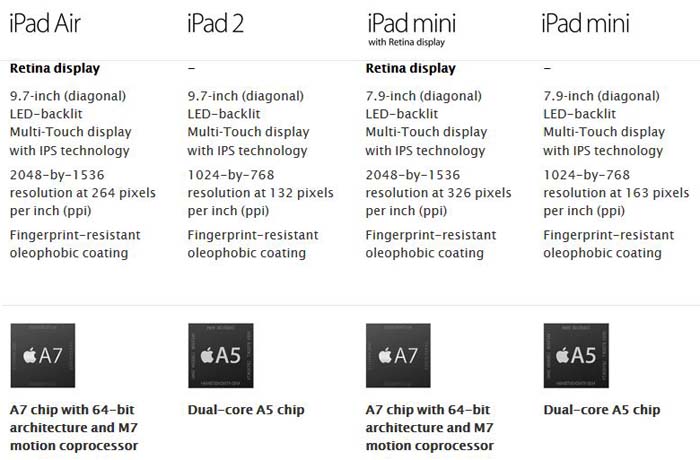
I’m interested in the iPad Mini with retina display and the 64-bit processor. After the conference call, I beetled around to my local Apple store. Sadly, they won’t have any in for two or three weeks. Shucks.
I’m holding my meager Apple shares. If this “lower earnings” news hurts the stock, I’ll pick up a little more.
What he learned. (Apart from how to peddle his latest book).

From an interview in Time:
Time: Knowing what you know now, what would you have done differently during your time as chairman of the Fed?
Greenspan: It’s not the type of asset — subprime mortgages or stocks — it’s whether it is leveraged. I always knew debt was important. If I could go back and recalibrate my psyche and fully understand how toxic debt really is, that would have been very helpful.
Yes. .. It’s not only the leverage you put on an investment, but also what the investment itself puts on. In short, don’t borrow to invest. Don’t invest in heavily leverage items. Think this way:
You buy a building with 20% equity. Hence 80% borrowing. The value of the building has to fall only 20% before you’re wiped out. Many commercial buildings fell in value more than 50% in the Great Recession. Many have not returned to pre-Recession values. If you own it, you keep it. If the bank owns it, you lose your equity, your building and the chance that its value will come back (as many have already done).
Leverage, diversification and doubt are the lessons I’ve taken from the Great Recession.
When in doubt, stay out. Caution is a virtue.
You can read more Greenspan here. You don’t have to. He doesn’t blame himself for anything. Surprise. Surprise.
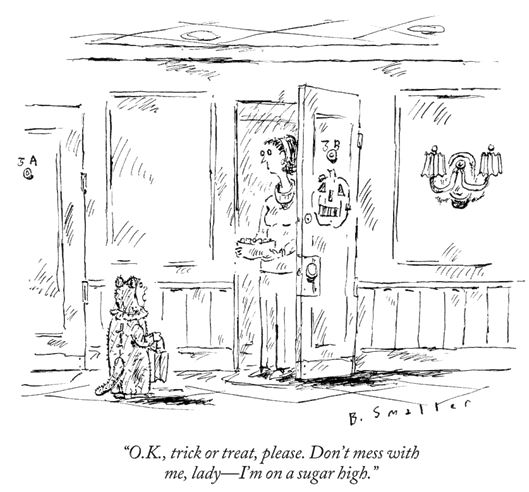
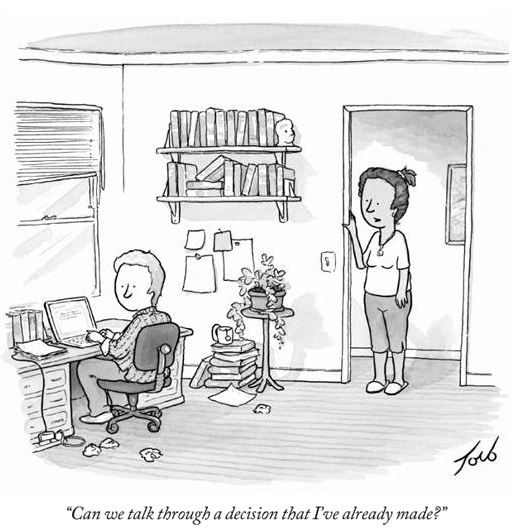
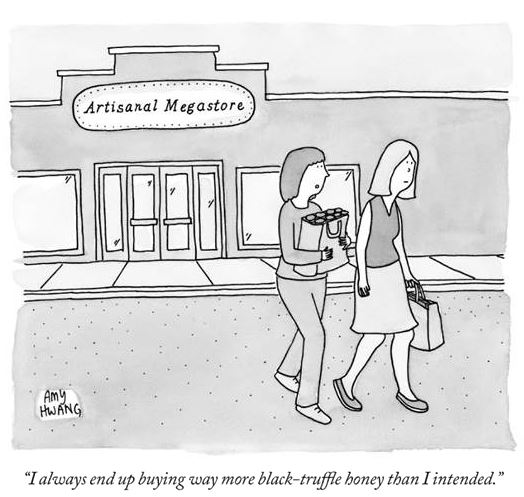
Latest great new Yorker cartoons.
Saudi Arabian enlightenment.
Sheikh Salah al-Luhaydan, a well-known cleric who also practices psychology, claimed on a popular Saudi website that it has been scientifically proved that driving “affects the ovaries” and leads to clinical disorders in the children of women who are foolish enough to drive.
I don’t make this stuff up. I do read a lot of nonsense.

Harry Newton who wondered what the time was. He surfed to the source, www.Time.gov and received this message.

Does this amuse you or make you sad?

Let’s put Apple in a proper perspective:http://windowsitpro.com/mobile/apple-thunders-forward-record-iphone-sales
You should post more photos of Alan Greenspan. Compared to him you look like you know what you’re talking about.
Cliff sucks balls
“In short, don’t borrow to invest. Don’t invest in heavily leverage items”
Just a note that it’s possible to do the former without doing the latter. In my PA I usually borrow on margin as opposed to more levered strategies (i.e. selling puts). I’m confident that something like BRK (or, more controversially, a mortgage REIT) will have an IRR greater than my 3.5% margin rate. In short, if you are long-term bullish on equities it can make sense to borrow on margin; you are basically pre-investing future income today.